

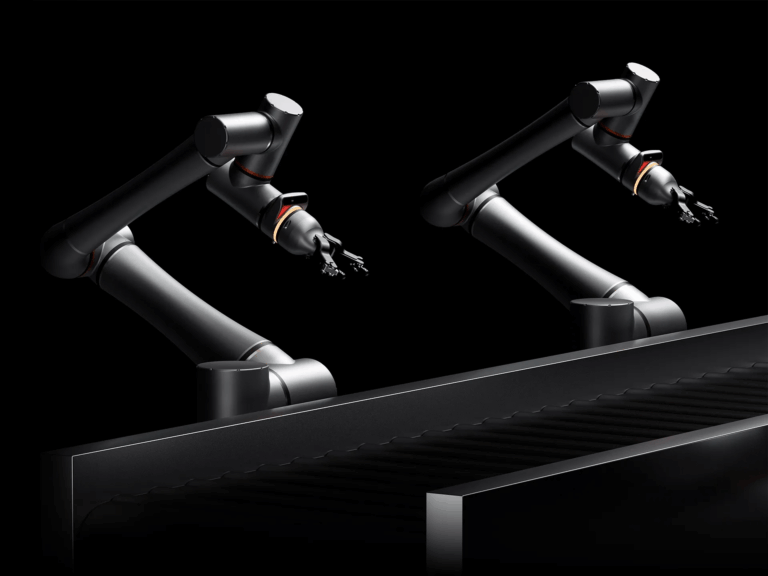
New Legislation Expands the Financial Benefits of Cobots for Manufacturers
On July 4, 2025, new legislation was introduced that provides manufacturers with greater financial incentives to invest in automation. This initiative aims to help businesses address labor shortages and rising operational costs. For many companies, adopting collaborative robots (cobots) has quickly become one of the most effective ways to reduce expenses, boost productivity, and improve return on investment (ROI).
Across industries, plant managers and business leaders are asking critical questions:
-
How can production continue with a shrinking workforce?
-
What impact does employee turnover have on efficiency and delivery schedules?
-
Can automation be a practical, cost-effective solution for small and mid-sized companies?
This new legislation makes it clear—cobots are not a future concept. They’re a real-world solution to bridge today’s labor and productivity gaps.
Why Cobots Are Becoming Essential in Manufacturing
Labor shortages remain one of the biggest challenges in modern manufacturing. Job vacancies are rising while production demands continue to grow. Cobots provide a consistent, dependable solution—they don’t take breaks, call in sick, or leave unexpectedly.
Unlike traditional industrial robots, cobots are designed with flexibility and simplicity in mind. They are compact, safe to work alongside human employees, and require no costly safety enclosures or specialized programming expertise.
The return on investment is both clear and fast. A typical cobot setup costs between $35,000–$75,000, yet most companies see payback within 6–12 months, with annual savings reaching up to $75,000 in labor costs.
Cobots Empower the Workforce—They Don’t Replace It
One of the biggest misconceptions about cobots is that they replace human jobs. In reality, cobots handle the repetitive, physically demanding, or undesirable tasks that often cause fatigue and turnover:
-
Repetitive palletizing that leads to strain injuries
-
Night-shift machine tending that’s difficult to staff
-
Constant packaging and labeling work that causes burnout
By taking on these routine jobs, cobots free employees to focus on more skilled, strategic, and rewarding work—such as quality inspection, troubleshooting, and process innovation. Cobots enhance the workforce, helping people perform at their best.
What Manufacturers Should Know About the New Legislation
Automation is no longer just for large enterprises. The new incentives lower the entry barriers, making cobot adoption more accessible for small and mid-sized manufacturers. Companies that embrace this shift now will gain a competitive advantage, while those who delay risk falling behind.
The best approach is to start small—automate one task, one process, or one shift. Even a single cobot can deliver measurable improvements that scale across your facility.
The Takeaway for Plant Leaders and Business Owners
If your operation is facing staffing challenges, missed deadlines, or rising overtime costs, now is the time to act. Cobots provide an immediate path to greater productivity, efficiency, and profitability.
Don’t wait for workforce issues to slow you down—discover how CB Pacific can help you integrate cobots into your operation and unlock the long-term ROI of smart automation.
Learn more: Collaborative Robots